
- Jan 24
Why Stress Matters for Parkinson’s — and 12 Simple Ways to Bring More Peace to Your Mind and Body
- Meret Keller, PhD
Learn why stress matters when living with Parkinson's, and explore simple strategies to manage stress and anxiety, reduce symptoms, and reset your nervous system so you can feel more grounded, calm, and confident each day.
If you’ve noticed that your Parkinson’s symptoms seem worse on stressful days, you’re definitely not alone. Many people living with Parkinson's report that their symptoms get worse when they're feeling stressed. And research suggests that stress is one of the most significant, yet often overlooked, contributors to increased motor symptoms such as tremors, muscle stiffness, slowness of movement, freezing, and gait issues. But stress doesn’t just affect movement. It can also intensify other symptoms such as pain, anxiety and depressed mood, sleep disturbances, memory issues, and focus. This makes it even harder to navigate your daily life and feel like yourself.
Stress directly affects the nervous system, and chronic stress can put the nervous system into constant survival mode, disrupting nearly every working system in your body. This ongoing strain can also upset the delicate balance of dopamine (the neurotransmitter related to Parkinson’s), further intensifying symptoms and making them even more challenging to manage.
But there's hope for those of us living with too much stress in our lives. There are many simple ways to manage stress, and taking small steps can go a long way in helping us feel better in the moment as well as in the future.
Let’s explore some of the best ways to reduce stress for Parkinson’s, including one simple stress-releasing nervous system technique you can try today.
Simple Strategies for Stress Management
It's important to know that there’s no “one right way” to let go of stress and balance your nervous system. In fact, feeling like you have to do it a certain way can feel stressful in itself!
There are many gentle, evidence-based ways to release stress and guide your mind and body back toward greater health and healing. The goal is to explore techniques that feel safe, enjoyable, and peaceful for you. If you find just a few that feel good in your body, you’ll be well on your way to creating long-lasting benefits for both your mind and your body.
➤ Movement & Exercise
Physical activity is one of the best ways to combat stress and support Parkinson’s symptom relief. Studies show that people with Parkinson’s who engage in regular movement (such as walking, stretching, or dancing) report less anxiety and better overall function.
➤ Healthy Nutrition
Chronic stress depletes essential nutrients like B vitamins, magnesium, and omega-3s, all of which are crucial for brain health. Eating a variety of colorful fruits and vegetables helps support your brain and body’s health.
➤ Time in Nature
Studies show that spending time in green spaces can lower cortisol levels and improve mood. Even looking at pictures of nature has been shown to speed up stress recovery.
➤ Social Support
Staying connected with friends, family, or support groups can help build emotional resilience. Spending even a short amount of time together with others can boost your mood and reduce stress. This includes beloved pets too!
➤ Music for Stress Relief
Music can help lower stress, boost mood, and promote relaxation. Studies show that listening to calming or rhythmic music can regulate breathing, reduce cortisol, and enhance well-being. Whether it’s classical, nature sounds, or your favorite songs, music is a simple and fun way to easy stress daily.
➤ Breathing Exercises
Deep, intentional breathing can activate the parasympathetic nervous system, helping to reduce stress and calm the body. A simple technique: Breathe in for 4 seconds, hold for 4 seconds, and exhale for 6 seconds.
➤ Somatic Exercises
A somatic exercise means it's a body-based exercise. Stress lives within the body, so releasing it from the body makes sense. Using gentle sensory input with touch, movement, and breath, somatic exercises signal safety to the nervous system, helping the body release stored tension and stress so you can feel better. One of my all-time favorites is Arm and Leg Squeezes. It's perfect when you’re feeling overwhelmed and need to feel more grounded and centered.
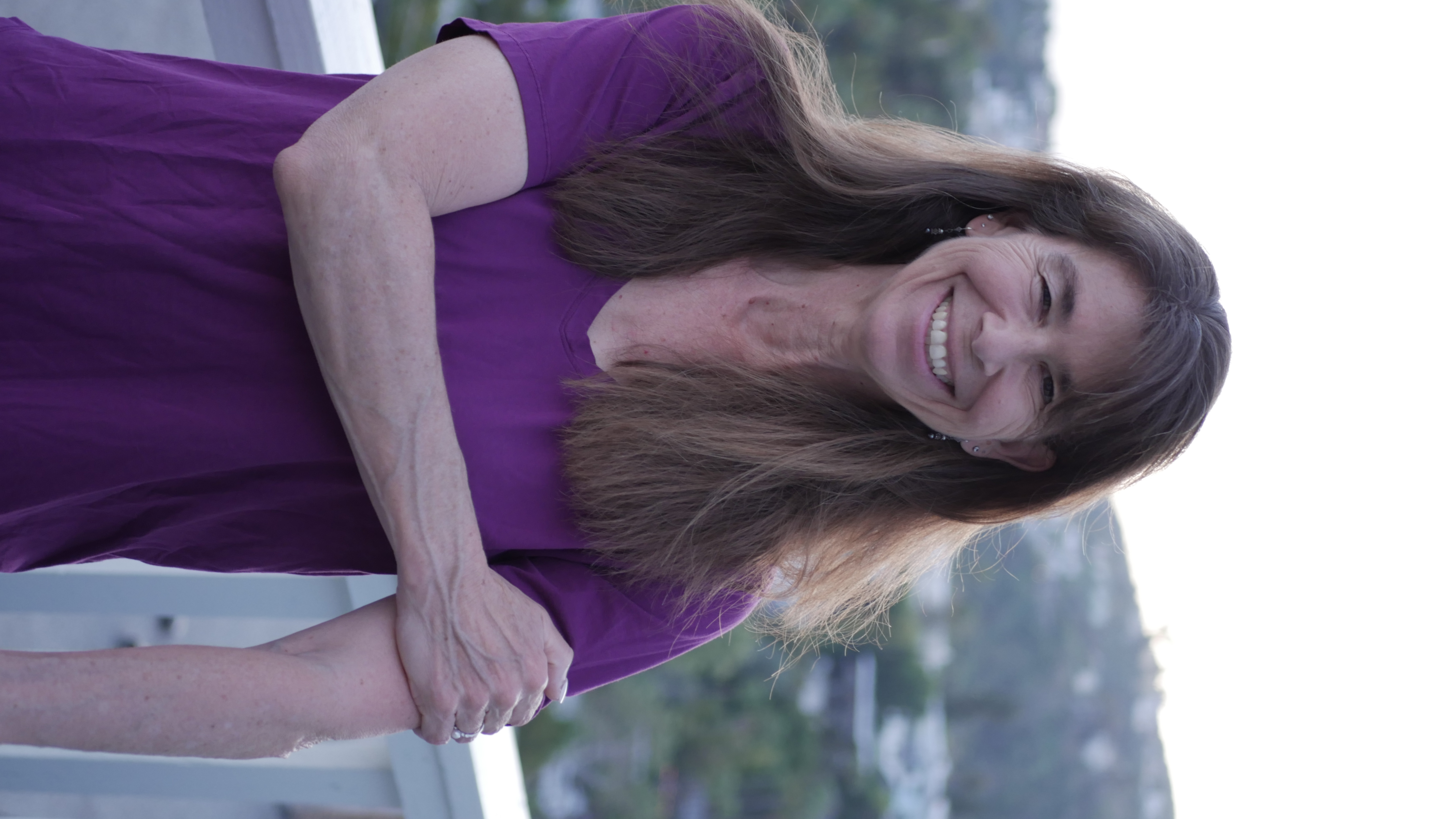
Here's how to do it. Gently squeeze the muscles in one arm, moving up and down with slight pressure, then repeat with the other arm and both legs. Focus on how it feels and remember to breathe, continuing for 3 minutes or as long as it feels good. Take a moment to notice how your body feels afterward. Perhaps you may feel more present or relaxed, as I often do after this exercise.
➤ Guided Meditation
Research suggests that meditation can reduce anxiety, depression, and stress. Try starting with a few minutes of focused breathing or a guided meditation from Insight Timer, which offers free guided meditations.
➤ Tai Chi, Qi Gong, and Yoga
These gentle movement practices reduce stress and improve mobility. A study in the New England Journal of Medicine found that Tai Chi’s health benefits for people living with Parkinson’s included improvements in stress reduction, balance, and posture. If you're just getting started, there are many free and low-cost opportunities online to explore what feels good for you. For example, Yoga with Adriene is easy to follow with free sessions on YouTube, as is Lee Holden for Qi Gong.
➤ Tapping (Emotional Freedom Technique)
Tapping, or Emotional Freedom Technique (EFT), is a simple stress-relief method that involves gently tapping on specific acupressure points while focusing on a stressful thought or emotion. This helps calm the nervous system, reduce anxiety, and shift the body out of a stress response. The Tapping Solution offers resources and guided sessions to help you get started.
➤ Guided Imagery for Parkinson’s
Guided imagery uses mental visualization to promote relaxation, and research has shown it can help with anxiety, stress, and pain in hospital and clinical settings. Therapist Belleruth Naparstek offers a guided imagery for Parkinson’s to support both the body and mind in coping with symptoms, as well as a free session for relaxation and general wellness.
➤ Do More of What Brings You Joy
Spending time doing something you love — whether it’s gardening, painting, playing with a pet, or gathering with friends — can reduce stress, elevate mood, and bring your body back into balance. Take a little time to ask yourself what truly brings you joy. It’s different for everyone, and even small moments of joy can have a large impact on how you're feeling.
Finding Your Own Way to Less Stress Starting Today
Life will always bring stress. But how we respond to it can make all the difference in the world. For people living with Parkinson’s, where the nervous system already feels overloaded and stuck in a chronic state of survival, learning simple tools to bring calm to your mind and body can make a meaningful difference in your daily life. It has the potential to reduce daily symptoms, ease your anxiety, and support your brain and body for better long-term health.
There’s no one-size-fits-all when it comes to stress relief. The key is to start small. Choose what feels safe, supportive, and sustainable for you. Even one tiny step, done consistently over time, can lay the foundation for greater health and well-being, and could become a turning point in your day!
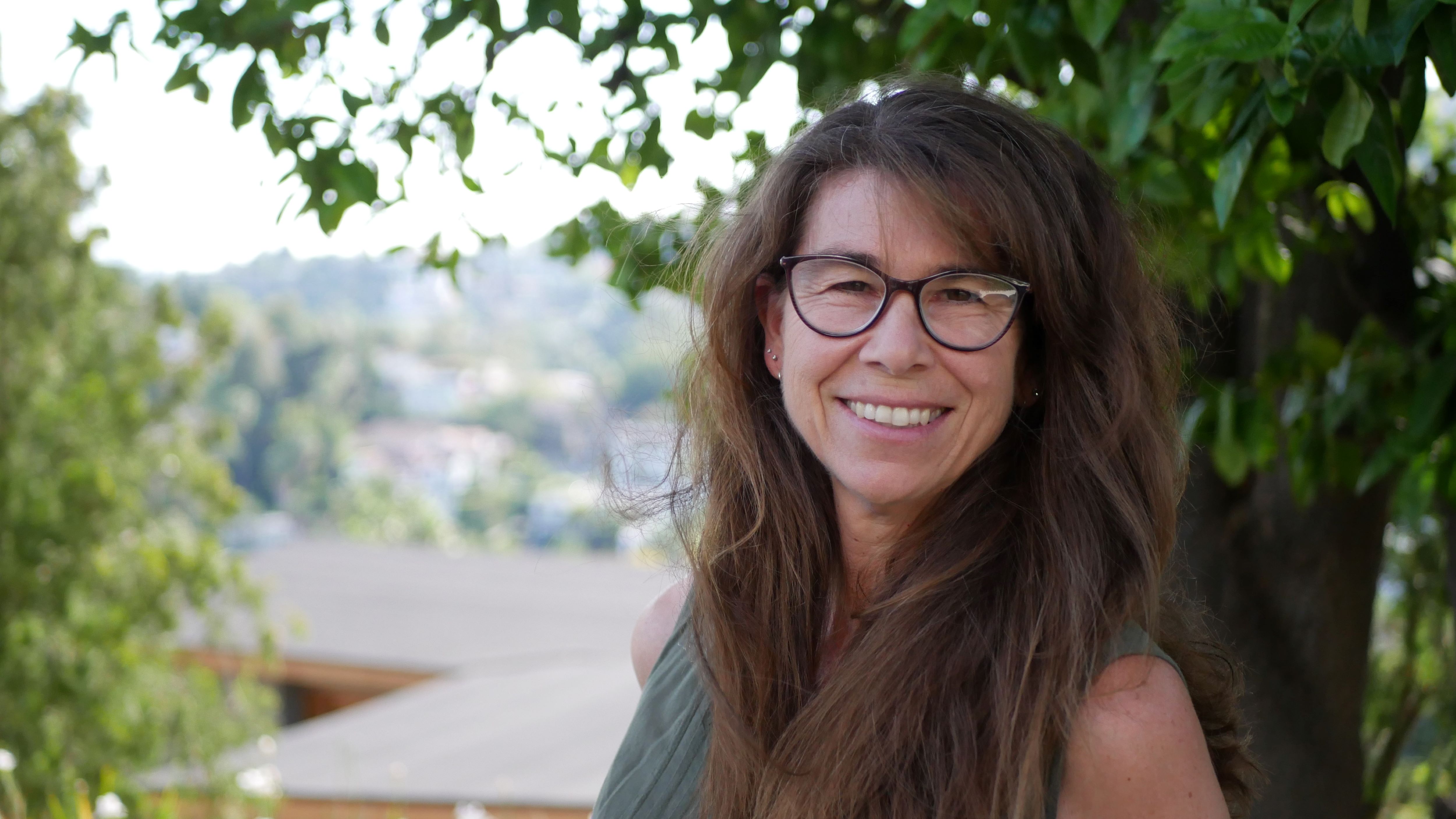
Meret Keller, PhD, is the founder of the Pacific Center for Parkinson's Health and Healing. With Parkinson's in her family, she's seen the challenges it can bring to everyday life.
As a research psychologist, certified health and wellness coach, and stress and nervous system coach, Meret is dedicated to helping people in the Parkinson's community feel more hopeful and empowered in their health. Her whole-person approach brings together Brain + Body + Behavior, with simple, research-based guidance on stress, nutrition, environmental health, healthy habits, and mindset to help people find positive ways to support their health and feel better.
For more information and resources, visit the Pacific Center for Parkinson's Health and Healing.
If you enjoyed this article and would like to learn more, you can explore our free Stress Resilience Toolkit for Parkinson's to discover additional simple tools to help reduce stress and feel better.
REFERENCES:
Van der Heide, Meinders, Speckens, Peerbolte, Bloem, & Helmich (2021). Stress and mindfulness in Parkinson’s disease: Clinical effects and potential underlying mechanisms. Movement Disorders.
Van der Heide, Speckens, Meinders, Rosenthal, Bloem, & Helmich (2021). Stress and mindfulness in Parkinson’s disease—A survey in 5000 patients. npj Parkinsons Disease.
Bloomfield, McCutcheon, Kempton, Freeman, & Howes (2019). The effects of psychosocial stress on dopaminergic function and the acute stress response. eLife.
Fields (2024). Can exercise help people with Parkinson’s disease? 4 things to know. Yale Medicine.
Mandal (2012). Tai chi could benefit Parkinson’s disease patients. News-Medical.
Collins & Moawad (2021). The power of music to reduce stress. PsychCentral.
Skinner (2023). How guided imagery can boost your health – and performance. Experience Life.
Church, Stapleton, Vasudevan, & O’Keefe (2022). Clinical EFT as an evidence-based practice for the treatment of psychological and physiological conditions: A systematic review. Frontiers in Psychology.